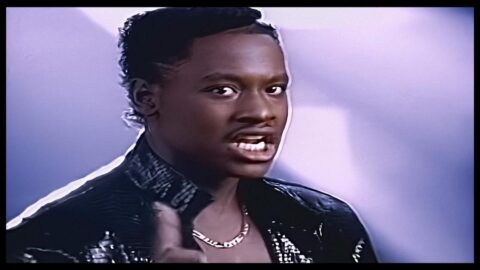
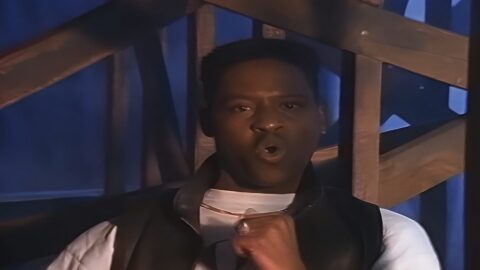
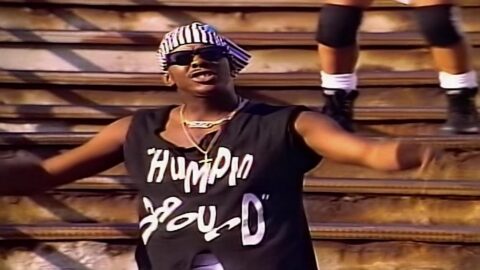
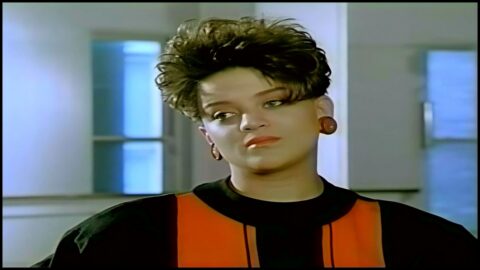
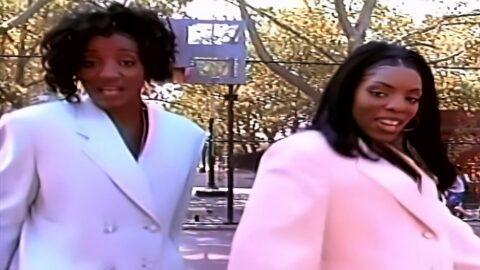
“Do the Right Thing” is a hit 1989 hip hop and new jack swing song by the American group Redhead Kingpin and the F.B.I.. It served as the third single from their debut studio album, A Shade of Red.
Origins: The track was originally written for Spike Lee’s iconic 1989 film Do the Right Thing, but it was ultimately not used in the movie. Instead, it was featured two years later during the end credits of Wes Craven’s 1991 horror film The People Under the Stairs.Production: The song was co-written and produced alongside influential new jack swing pioneer Markell Riley, with arrangements by legendary producer Teddy Riley.Chart Performance: It became the group’s highest-charting signature song. It peaked at number 13 on the UK Singles Chart, number 4 in New Zealand, and number 7 in the Netherlands. In the United States, it reached number 8 on the Billboard Hot Rap Singles chart.
The track delivers a positive, anti-crime message urging listeners to overcome socioeconomic obstacles, avoid street violence, and “do the right thing” regardless of race. It famously name-drops and pays tribute to various New York boroughs like Manhattan, Brooklyn, the Bronx, Queens, and Long Island during its bridge section.
« Do the Right Thing » est un tube hip-hop et new jack swing de 1989 du groupe américain Redhead Kingpin and the F.B.I. Il s'agissait du troisième single extrait de leur premier album studio, *A Shade of Red*.

Origines : Le morceau a été initialement écrit pour le film culte de Spike Lee, *Do the Right Thing* (1989), mais n'a finalement pas été utilisé dans le film. Il a été utilisé deux ans plus tard, lors du générique de fin du film d'horreur de Wes Craven, *Les Griffes de la nuit* (1991). Production : La chanson a été co-écrite et produite avec Markell Riley, pionnier influent du new jack swing, et arrangée par le producteur légendaire Teddy Riley. Classement : Ce titre est devenu le plus grand succès du groupe. Il a atteint la 13e place du UK Singles Chart, la 4e en Nouvelle-Zélande et la 7e aux Pays-Bas. Aux États-Unis, il s'est classé 8e au Billboard Hot Rap Singles. Ce morceau véhicule un message positif contre la criminalité, incitant les auditeurs à surmonter les obstacles socio-économiques, à éviter la violence urbaine et à « faire ce qui est juste », indépendamment de leur origine. Il cite et rend hommage à différents arrondissements de New York, tels que Manhattan, Brooklyn, le Bronx, le Queens et Long Island, lors de son pont.